
 Send Inquiry
 Send Inquiry
Groundnut Husk
MOQ : 500 Tons
Groundnut Husk Specification
- Type
- Husk
- Main Ingredient
- Groundnut Husk
- Variety
- Natural Groundnut Husk
- Physical Form
- Loose, powder or coarse pieces
- Texture
- Coarse, Powdery
- Fragrance
- Nutty, earthy scent
- Grade
- Feed Grade
- Suitable For
- Cattle, Poultry, Livestock
- Color
- Light Brown to Brown
- Protein (%)
- 4%-7%
- Moisture (%)
- 8%-10%
- Ash %
- 7.5%-9.5%
- Function
- Animal Feed Ingredient
- Application
- Mixed with animal feeds as fiber additive
- Dosage
- As per animal feed formulation
- Efficacy
- Rich source of fiber for digestive health
- Disease prevention
- Aids in preventing digestive problems
- Shelf Life
- 6-12 months under dry storage
- General Nutrients
- Carbohydrates, Protein, Fiber, Vitamins, Minerals
- lysine
- 0.7% (approx)
- Calcium
- 0.28% (approx)
- Fiber
- 35%-45%
- Fat
- up to 3.2%
- Vitamin A
- Present in small amounts
- Vitamin D
- Present in trace amounts
- Vitamin E
- Present
- Manganese
- 50-60 mg/kg
- Zinc
- 25-36 mg/kg
- copper
- 8-11 mg/kg
- Iron
- 200-250 mg/kg
- Iodine
- Present in trace amounts
- Usage Areas
- Dairy, Poultry, Goat, Swine Diets
- Impurity
- Below 2%
- Storage Advice
- Store in a cool, dry place away from direct sunlight
- Packaging Type
- Jute/PP Bags
- Processing Type
- Cleaned and Dried Husk
- Organic Matter
- Over 90%
- Water Absorption
- High - can absorb up to 2.5 times its own weight
- Bulk Density
- 210-260 kg/m3
- Allergen Info
- Contains peanut residue, may not be suitable for peanut-allergic animals
Groundnut Husk Trade Information
- Minimum Order Quantity
- 500 Tons
- Delivery Time
- 2 Days
About Groundnut Husk
Natural Biomass resource suitable for heating and energy generation. Renewable energy source can be derived from Groundnut Shells.
Groundnut Shell: The outer shell of groundnuts or peanuts, is a rich source of biofuel. Groundnut shells may be processed into high-energy pellets or compressed into biomass briquettes to provide environmentally beneficial options for power generation and heating. The use is in line with sustainable energy practices as it not only manages agricultural waste but also helps to lessen reliance on non-renewable fuels.
Extracting Groundnut Shell: Harvesting, uprooting or shaking the peanuts to dislodge them, drying them to harden the shell, threshing them to separate them and winnowing them to remove the shells using air currents are the steps involved in extracting groundnut shells from groundnut. The cleaned and graded peanuts are kept and depending on particular requirements and available technology, the separated shells which are considered byproducts may go through further processing for uses including the generation of biofuel.
Applications for Groundnut Shell:Groundnut shells are frequently burned directly in industrial boilers as loose biomass. They are also used as a feedstock to make biofuels, namely pellets or briquettes, which are used in place of coal in industrial heating systems.
PropertiesHigher Heating Value: The higher heating value (HHV) of Groundnut Shell ranges between 3900 -4200 kcal/kg.
Moisture Level:The moisture level of Groundnut Shell ranges between 10% and 15%.
Ash Content:The ash content of Groundnut Shell is 8% to 12%. This low ash content contributes to cleaner combustion and less residue.
AdvantagesCsloryy Energetic Value: Groundnut shells possess a high calorific value, delivering potent energy output for efficient heating and power generation purposes.
Economic Cost-Effective: Groundnut shells offer an affordable energy alternative, providing a cost-effective option for heating and power generation needs without sacrificing quality or performance.
Suffieive acces Readily Obtainable: With widespread availability, groundnut shells ensure easy access and a steady supply for various energy production requirements
Eco Environmentally Sustainable: Utilizing groundnut shells as fuel supports carbon-neutral energy practices, reducing environmental impact and promoting sustainable energy solutions..
Enhance Animal Digestive Health Naturally
Groundnut husk provides a reliable source of dietary fiber, aiding in the prevention of digestive disorders among livestock. Its high water absorption capability further benefits animal gut health, making it an excellent addition to dairy, poultry, goat, and swine diets. The product undergoes meticulous cleaning and drying to ensure consistency and safety for animal consumption.
Convenient and Safe Packaging
Our groundnut husk is packed in robust Jute or PP bags, ensuring easy transport and handling while protecting the contents from moisture and contaminants. Each batch contains impurities below 2%, maintaining product purity and quality for your feed formulations.
Nutritional Profile and Usage Flexibility
Containing 35-45% fiber, 4-7% protein, and essential minerals like iron, manganese, and zinc, groundnut husk supplements a variety of animal feeds. Its coarse yet powdery texture blends seamlessly into rations, supporting different animals' nutritional needs. Dosages can be adjusted as per specific feed formulation requirements.
FAQ's of Groundnut Husk:
Q: How should groundnut husk be used in animal feed formulations?
A: Groundnut husk should be incorporated as a fiber additive in animal diets according to the recommended proportions in your feed formulation. It can be mixed with other feed components for cattle, poultry, goats, and swine to promote digestive health and boost nutrient intake.Q: What storage conditions are best for preserving groundnut husk quality?
A: Store groundnut husk in a cool, dry environment away from direct sunlight to maintain its texture, nutrient content, and prevent spoilage. Proper storage extends the shelf life up to 6-12 months.Q: When is groundnut husk suitable for inclusion in animal diets?
A: Groundnut husk is suitable for use year-round and can be added to feed whenever a boost in fiber content is needed, especially to support digestive functions or prevent digestive disorders in livestock.Q: Where can groundnut husk be sourced in bulk for feed manufacturers?
A: Groundnut husk is available through reputable suppliers, traders, and wholesalers across India. It is typically supplied in bulk quantities, packed in durable Jute or PP bags for ease of transport and storage.Q: What is the process used to prepare groundnut husk for animal feed?
A: The husk is cleaned thoroughly to reduce impurities below 2% and then dried to a moisture content of 8-10%. This ensures a safe, high-quality feed ingredient with a pleasant nutty, earthy scent.Q: What are the main benefits of adding groundnut husk to animal diets?
A: Groundnut husk is valued for its high fiber content, which helps improve digestive health, regulate gut function, and prevent common gastrointestinal issues in livestock. Its high water absorption also contributes to overall feed efficiency.Q: Who should avoid feeding groundnut husk to their animals?
A: Animals with peanut allergies should not be fed groundnut husk, as it may contain peanut residues. Always check allergen warnings before incorporating it into feed for sensitive livestock.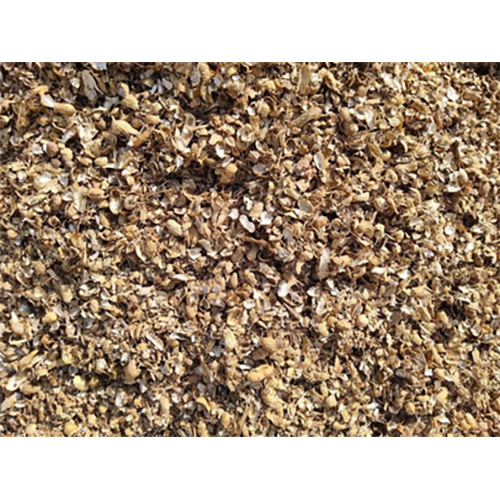
Tell us about your requirement

Price:
Quantity
Select Unit
- 50
- 100
- 200
- 250
- 500
- 1000+
Additional detail
Mobile number
Email


HERAN TRADERS
All Rights Reserved.(Terms of Use)
Developed and Managed by Infocom Network Private Limited.
Developed and Managed by Infocom Network Private Limited.

